Medical Eye Care in North Royalton, OH
Diagnosis, Personalized Treatment, and Long-Term Care for Your Eye Health
Frequently Asked Questions
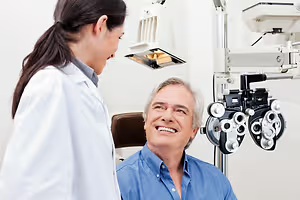
A routine eye exam focuses primarily on evaluating your vision and updating your glasses or contact lens prescription. A medical eye exam goes further; it evaluates the health of your eyes, diagnoses conditions such as glaucoma, diabetic eye disease, or macular degeneration, and guides ongoing management of those conditions.
Medical eye care addresses symptoms like eye pain, redness, sudden vision changes, or flashes and floaters, and it plays a key role in monitoring chronic conditions that can affect your eyesight over time.
The recommended frequency depends on your individual health history and risk factors. Adults with no known eye conditions are generally advised to have a comprehensive eye exam every one to two years. However, if you have diabetes, a family history of glaucoma, or have been diagnosed with an eye condition, more frequent visits are often recommended.
Our team will work with you to establish a monitoring schedule that fits your needs and helps protect your long-term vision.
You should contact us promptly if you experience any of the following:
- Sudden changes in vision or blurred vision
- Flashes of light or new floaters
- Eye pain, redness, or irritation that doesn't resolve
- Sensitivity to light
- Double vision
- A curtain or shadow appearing in your field of vision
Some of these symptoms can indicate conditions that require prompt attention. If you're unsure whether your symptoms require care, don't hesitate to call our office—we're happy to help you determine the right next step.
Medical eye exams are typically billed through medical insurance (such as Medicare or a general health plan) rather than vision insurance, because they address the health of your eyes rather than a prescription update. Many medical insurance plans do cover medically necessary eye care, including exams related to diabetes, glaucoma, or other diagnosed conditions.
Coverage varies depending on your specific plan, so we recommend contacting your insurance provider ahead of your visit. Our team can also help answer questions about your coverage when you call to schedule.

Your Eye Health Deserves More Than a Prescription Update
Changes in your vision aren't always caused by a new glasses prescription. Medical eye care focuses on diagnosing, monitoring, and managing eye conditions that can affect your sight and long-term eye health. At Royalton Eye Care, we combine advanced diagnostic technology with personalized care to help you understand what's happening with your eyes and what comes next.
Your Eyes Can Reveal More Than Changes in Vision
Many eye diseases develop gradually and don't cause noticeable symptoms in their earliest stages. That's why medical eye care is about much more than responding to vision changes—it focuses on identifying problems early, monitoring your eye health over time, and helping protect your vision for the future.
At Royalton Eye Care, we care for patients with chronic eye conditions, evaluate new symptoms, and help patients understand their diagnosis with clear explanations and personalized recommendations. When additional care is needed, we'll coordinate referrals and continue to partner with you throughout your treatment.
Medical Conditions We Diagnose, Monitor, and Manage
Living with diabetes means protecting more than your overall health—it also means protecting your eyesight. Diabetes can damage the tiny blood vessels inside the retina long before you notice changes in your vision.
Regular diabetic eye exams help us identify those changes early, monitor your eye health over time, and recommend the appropriate care before vision problems develop.
During Your Diabetic Eye Evaluation, We Will:
- Evaluate the overall health of your retina
- Monitor for changes caused by diabetes
- Compare your eye health with previous visits
- Explain your findings in clear, easy-to-understand language
- Recommend the next steps based on your individual needs
Glaucoma is one of the leading causes of vision loss because it often develops without noticeable symptoms. Many people don't realize anything has changed until permanent vision loss has already occurred.
Routine glaucoma evaluations allow us to monitor your eye health over time and identify concerning changes as early as possible.
Your Evaluation May Include:
- Assessing your optic nerve health
- Monitoring changes over time
- Evaluating your peripheral vision
- Measuring important aspects of your eye health
- Discussing your individual risk factors
If Glaucoma Is Detected
If we identify signs of glaucoma, we'll explain your diagnosis, answer your questions, and develop an ongoing management plan that's appropriate for your condition. When specialty treatment is needed, we'll coordinate your care while continuing to monitor your eye health.
Cataracts usually develop slowly, making changes in your vision easy to overlook. You may notice that reading becomes more difficult, driving at night feels less comfortable, or your overall vision isn't as sharp as it once was.
A cataract evaluation helps determine whether cataracts are affecting your daily activities and whether continued monitoring or surgery may be the best next step.
During Your Cataract Evaluation, We'll:
- Assess how cataracts are affecting your vision
- Monitor changes over time
- Discuss how cataracts impact your daily life
- Explain your treatment options
- Coordinate referrals when surgery becomes appropriate
Care Before and After Surgery
Although cataract surgery is performed by a surgical specialist, your care doesn't stop there. We'll continue to support you through your pre-operative evaluation, post-operative care, and long-term vision management.
Retinal Health Evaluations Help Detect Problems Before They Affect Your Vision
The retina is the light-sensitive tissue at the back of your eye that sends visual information to your brain. Because many retinal conditions develop gradually without noticeable symptoms, regular retinal evaluations play an important role in protecting your long-term vision.
Our doctors carefully evaluate your retinal health during medical eye exams, looking for subtle changes that may require additional monitoring or treatment before they begin affecting your eyesight.
Retinal Evaluations Help Monitor Conditions Such As:
- Diabetic eye disease
- Macular degeneration
- Retinal disease
- Other changes affecting the health of your retina
Why Ongoing Monitoring Matters
Many retinal conditions don't cause pain or obvious vision changes in their earliest stages. Monitoring your retinal health over time allows us to compare findings from one visit to the next, identify subtle changes early, and recommend the most appropriate care when needed.
If we identify a retinal concern, we'll explain what we're seeing, answer your questions, and develop a personalized plan to monitor your eye health or coordinate additional care if appropriate.
Get the Answers You Need About Your Eye Health
Changes in your vision, a new diagnosis, or ongoing concerns deserve more than guesswork. Schedule a medical eye exam, and our experienced team will evaluate your eye health, explain your findings, and recommend the next steps to help protect your vision.