

Myopia Management in North Royalton, OH
Treatment to Help Slow the Progression of Childhood Myopia
Myopia Management FAQs
Myopia management is typically recommended for children between the ages of 6 and 12, when the eyes are still growing, and progression tends to be fastest. However, each child is different. The best time to start depends on when progression is first detected. Earlier intervention generally offers more opportunity to slow changes before the eyes stabilize in the late teen years.
Yes. Depending on your child's age, prescription, and lifestyle, options may include orthokeratology (specialty lenses worn overnight to temporarily reshape the cornea), atropine eye drops applied nightly, or multifocal eyeglass lenses. Our team will discuss which approach, or combination of approaches, may be most appropriate for your child during a comprehensive exam.
Myopia management is typically continued until your child's prescription stabilizes—often in the late teens or early twenties. Treatment is not a one-time fix; it's an ongoing strategy that's monitored and adjusted as your child grows. Regular follow-up exams allow us to track progress and modify the plan if needed.
Myopia management is not a cure; it's designed to slow the rate of progression, not eliminate nearsightedness. Your child will likely still need glasses or contact lenses for clear vision. The goal is to reduce how much their prescription increases over time, which can lower the risk of vision complications associated with higher levels of myopia later in life.
Coverage varies depending on your insurance plan. Some plans may cover part of the cost of myopia management, while others may not include it. We recommend contacting your insurance provider to ask about your specific benefits. Our team is happy to help clarify what's involved so you can ask the right questions.
Stronger Prescriptions Don't Have to Be the Only Answer
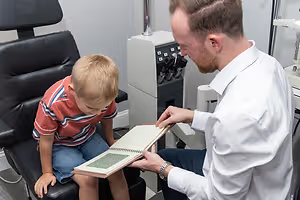
If your child's prescription becomes stronger year after year, it's natural to wonder if anything can be done to slow those changes. While glasses improve your child's vision, they don't slow the progression of myopia. At Royalton Eye Care, we monitor childhood myopia closely and provide personalized treatment designed to help protect your child's vision as they grow.
Prescription Changes Can Be an Early Sign of Progressive Myopia
Many parents first learn their child is nearsighted when they need their first pair of glasses. Over time, it's common to notice stronger prescriptions at each annual eye exam. While some changes are expected as children grow, consistent progression may indicate that your child could benefit from myopia management.
Monitoring these changes early gives your eye doctor the opportunity to recommend treatment before myopia progresses further. That's why routine pediatric eye exams are one of the most important steps you can take to protect your child's long-term vision.
Myopia Management Focuses on More Than Today's Prescription
When your child needs glasses, it's easy to focus on helping them see clearly today. Myopia management takes a longer view by focusing on how your child's vision may change over time.
The goal isn't simply to update your child's prescription each year—it's to monitor their eye development and determine whether treatment may help slow the progression of childhood myopia.
Every child is different, which is why we create personalized recommendations based on how your child's eyes are developing—not a one-size-fits-all approach.
How MiSight® Contact Lenses Help Manage Childhood Myopia
MiSight® 1-day contact lenses are designed for children whose nearsightedness continues to progress. They help your child see clearly while also helping slow prescription changes over time.
Your child wears a new pair of MiSight® lenses each day and throws them away at night. There is no overnight storage, cleaning solution, or reuse, which keeps the routine simple for children and parents.
MiSight® lenses use specialized technology designed to help slow the progression of childhood myopia while your child wears them.
MiSight® lenses can support clear vision during school, sports, and daily activities without glasses getting in the way. Our team will teach your child how to insert, remove, and handle their lenses safely.
Regular Eye Exams Help Us Catch Changes Early
Myopia management always begins with a comprehensive pediatric eye exam.
Each visit gives us the opportunity to compare your child's current prescription with previous exams, monitor changes over time, and identify patterns that may suggest progressive myopia.
If we see those changes, we'll talk with you about what they mean, answer your questions, and discuss whether myopia management is the right next step.
Our goal is never to recommend treatment your child doesn't need. It's to help you make informed decisions with confidence.
Find Out if Myopia Management Is Right for Your Child
Myopia management begins with a comprehensive eye exam and a conversation about your child's long-term eye health. We'll help you understand your child's vision, explain your options, and create a personalized plan if treatment is recommended.